
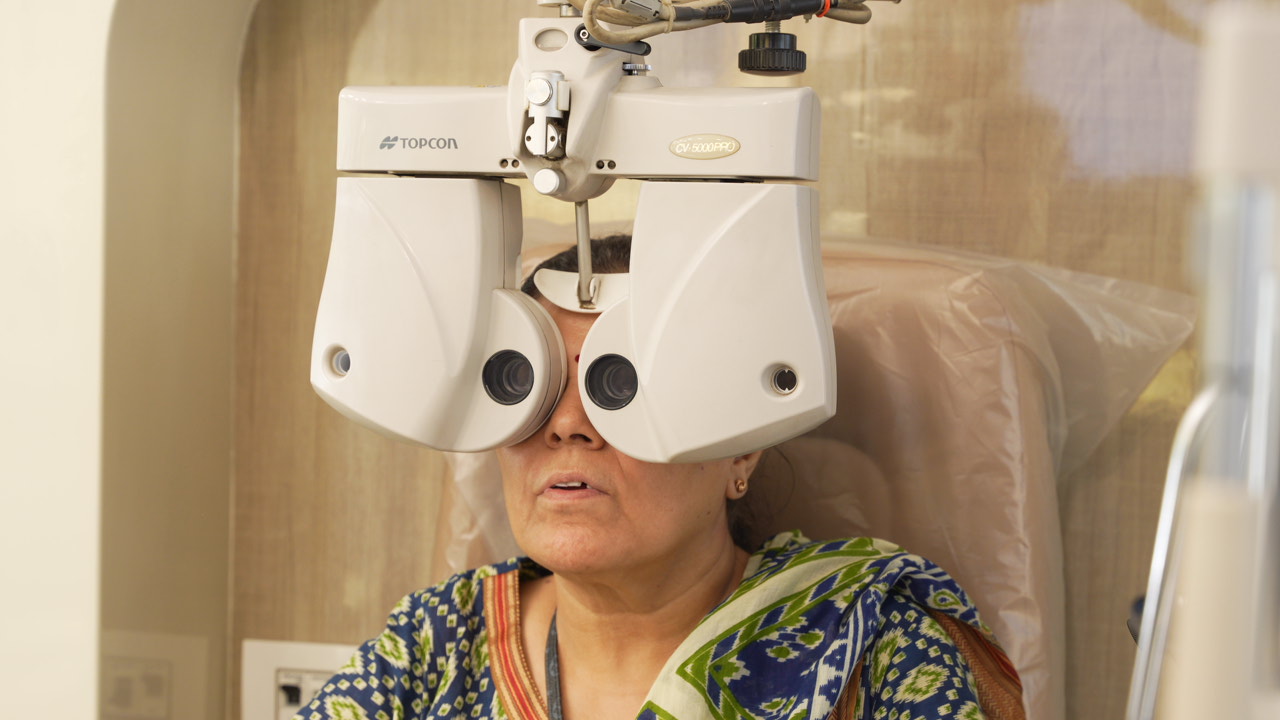
Winter Eye Care Tips: Protecting Your Vision from Cold, Dry Weather in Ghaziabad
As temperatures drop across Ghaziabad during the winter months, most residents focus on protecting themselves from the cold with warm clothing and hot beverages. However, few realise that their eyes need just as much protection during this season. The combination of cold outdoor air, indoor heating systems, and reduced humidity creates a challenging environment for eye health that affects millions of people in Delhi NCR every winter.
Winter eye care is essential because the season brings unique challenges: dry eyes, increased screen time during shorter days, exposure to harsh winds, and even UV damage from winter sun. At Samyak Eye Care Clinic in Vaishali, we see a significant increase in patients with winter-related eye complaints. This comprehensive guide will help Ghaziabad residents protect their vision throughout the cold season.
How Winter Affects Your Eyes
Understanding why winter is particularly harsh on our eyes helps in taking appropriate preventive measures. Several factors combine to create stress on your ocular health during the colder months.
Reduced Humidity and Dry Air
Winter air naturally holds less moisture than summer air. In Ghaziabad, humidity levels can drop to 40-50% during December and January, compared to 70-80% during monsoon months. This dry air accelerates tear evaporation, leaving your eyes feeling gritty, irritated, and uncomfortable. Indoor heating systems further compound this problem by removing even more moisture from the air, creating an environment where your eyes struggle to stay properly lubricated.
Cold Wind Exposure
The cold winds that sweep through Ghaziabad during winter can cause immediate discomfort and long-term damage to your eyes. Wind increases the tear evaporation rate significantly and can carry dust particles and pollutants directly into your eyes. Two-wheeler riders and morning walkers are particularly vulnerable to wind-related eye problems during the winter months.
Unexpected UV Exposure
Many people assume UV protection is only necessary during summer, but winter sun can be equally damaging. The sun sits lower in the sky during winter, directing UV rays more directly into your eyes. Additionally, if you travel to hill stations for winter holidays, snow reflects up to 80% of UV radiation, significantly increasing exposure. Prolonged UV exposure contributes to cataracts, macular degeneration, and other serious eye conditions.
Experiencing dry, irritated eyes this winter? Call 98999 60700 to schedule a comprehensive eye examination at Samyak Eye Care Clinic.
Common Winter Eye Problems in Ghaziabad
Several eye conditions become more prevalent during the winter months. Recognising these problems early allows for prompt treatment and prevents complications.
Dry Eye Syndrome: The most common winter eye complaint, characterised by burning, stinging, redness, and a gritty sensation. Symptoms typically worsen in heated indoor environments and during extended screen use. Our dry eye management services can provide lasting relief.
Excessive Tearing: Paradoxically, dry eyes often trigger excessive tearing as your eyes attempt to compensate for inadequate lubrication. These reflex tears lack the proper composition to effectively moisturise the eye surface.
Redness and Irritation: Blood vessels in the eyes dilate in response to dryness and irritation, causing a red, bloodshot appearance that can be uncomfortable and cosmetically concerning.
Light Sensitivity: Winter sun combined with dry eyes can make your eyes particularly sensitive to bright light, causing discomfort and squinting.
Blurred Vision: An unstable tear film causes fluctuating vision quality, particularly noticeable during reading or computer work. This can also worsen existing conditions like myopia in children.
Essential Winter Eye Care Tips for Ghaziabad Residents
Implementing these practical strategies can significantly reduce winter eye problems and maintain comfortable, healthy vision throughout the season.
Stay Hydrated Inside and Out
Drink plenty of water throughout the day, even when you don't feel thirsty. Winter often reduces our natural thirst signals, leading to dehydration that affects tear production. Aim for 8-10 glasses of water daily. Additionally, use a humidifier in your home and office to maintain indoor humidity levels between 40-60%, creating a more comfortable environment for your eyes.
Protect Your Eyes from Wind and Cold
Wear wraparound sunglasses or protective eyewear when outdoors to shield your eyes from cold winds and UV radiation. For two-wheeler riders, full-face helmets with visors provide excellent protection. Our optical services include prescription sunglasses with UV protection, perfect for winter use.
Use Lubricating Eye Drops
Artificial tears can provide immediate relief from dry eye symptoms. Use preservative-free drops if you need to apply them more than four times daily. For more severe cases, gel-based lubricants applied at bedtime can provide overnight relief. However, if symptoms persist despite regular use of artificial tears, consult an eye care specialist to rule out underlying conditions.
Practice the 20-20-20 Rule
Increased indoor time during winter often means more screen exposure, contributing to digital vision syndrome. Every 20 minutes, take a 20-second break to look at something 20 feet away. This simple practice reduces eye strain and encourages natural blinking, which helps distribute tears across your eye surface.
Struggling with persistent dry eyes or winter eye discomfort? Book your consultation with Dr. Shalini Jain for personalised treatment.
Special Considerations for Contact Lens Wearers
Contact lens wearers face additional challenges during winter. The dry air can cause lenses to feel uncomfortable, and the tear film disruption can lead to lens deposits and reduced wearing time.
Consider switching to daily disposable lenses during the winter months, as fresh lenses each day eliminate deposit buildup. Keep rewetting drops specifically formulated for contact lenses handy. For those with chronic dry eye issues, scleral lenses may provide superior comfort as they create a fluid reservoir that keeps the eye hydrated throughout the day.
Alternatively, Ortho-K lenses offer a unique advantage: worn only at night while sleeping, they eliminate daytime lens wear entirely, avoiding winter dry eye issues while still providing clear vision throughout the day.
When to See an Eye Doctor
While many winter eye issues can be managed at home, certain symptoms warrant professional evaluation:
• Persistent eye pain or severe discomfort
• Significant changes in vision quality
• Eye redness that doesn't improve with lubricating drops
• Discharge or crusting around the eyes
• Symptoms that worsen despite home care measures
• Light sensitivity that interferes with daily activities
Protect Your Vision This Winter with Expert Care
Winter eye care doesn't have to be complicated. With proper precautions and timely professional care, you can enjoy the season without compromising your eye health. At Samyak Eye Care Clinic, Dr. Shalini Jain brings over 25 years of experience in treating seasonal eye conditions, backed by 4+ government awards and the trust of 37,500+ satisfied patients across Ghaziabad and Delhi NCR.
Whether you're dealing with chronic dry eyes, need specialised contact lens fitting, or simply want a comprehensive winter eye checkup, our clinic offers personalised solutions for every patient.
Schedule your winter eye care consultation today and ensure your vision stays comfortable all season long.
Call: 98999 60700
Website: www.samyakeyecare.com
________________________________________
Disclaimer: This article is for informational purposes only and does not constitute medical advice. Individual eye care needs vary based on specific conditions, lifestyle factors, and medical history. Please consult Dr. Shalini Jain at Samyak Eye Care Clinic for a comprehensive evaluation and personalised treatment recommendations.


