
Ortho-K vs LASIK: Which Vision Correction Method Is Right for You?
"Doctor, I'm tired of glasses and contacts. My friend got LASIK and loves it. Should I do the same?"
This is one of the most common questions patients ask at our clinic. The desire to wake up with clear vision—without reaching for glasses or fumbling with contact lenses—is completely understandable. But the answer isn't as simple as "yes, get LASIK" or "no, try something else."
The truth is, LASIK isn't the only path to glasses-free vision. Ortho-K lenses offer a completely different approach—one that's reversible, non-surgical, and particularly beneficial for certain patients. Let's compare both options honestly so you can make an informed decision.
What Exactly Is Ortho-K?
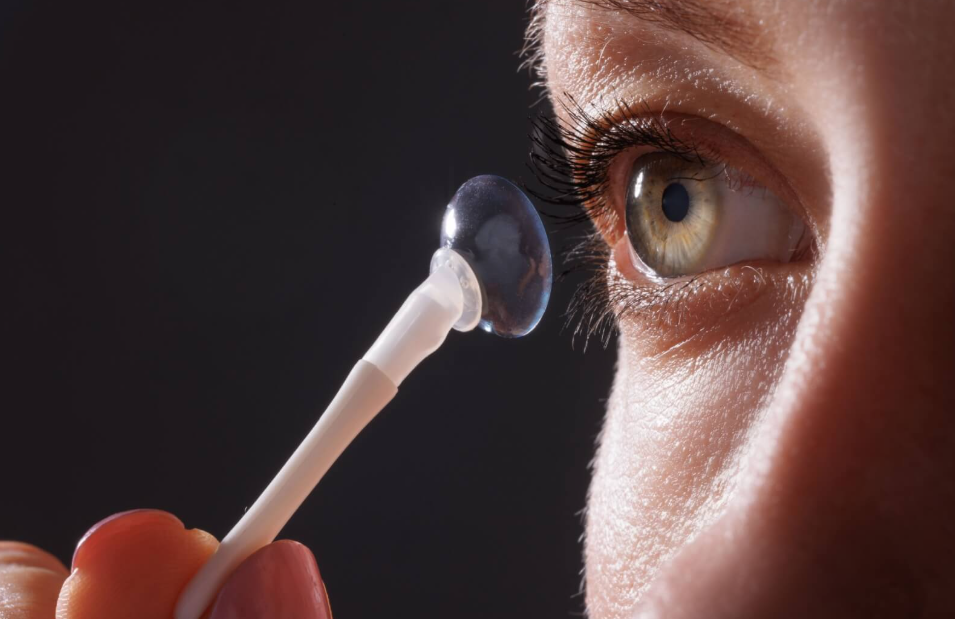
Orthokeratology—or Ortho-K—uses specially designed rigid gas-permeable contact lenses worn overnight while you sleep. These lenses gently reshape your cornea, the clear front surface of your eye. When you remove them in the morning, your reshaped cornea allows light to focus correctly, giving you clear vision throughout the day without any glasses or daytime contacts.
The effect is temporary—your cornea gradually returns to its original shape over 24-48 hours. This is why you wear the lenses every night to maintain the correction.
How Does LASIK Work?
LASIK (Laser-Assisted In Situ Keratomileusis) is a surgical procedure that permanently reshapes your cornea using a laser. A surgeon creates a thin flap in the cornea, uses an excimer laser to remove precise amounts of corneal tissue, then repositions the flap. The procedure takes about 15 minutes for both eyes, and most patients see clearly within 24 hours.
Unlike Ortho-K, LASIK changes are permanent. The reshaped cornea maintains its new form without any ongoing treatment.
Wondering which option suits you better? Book a consultation to discuss your specific situation. Call 98999 60700
The Key Differences That Matter
Reversibility: This is the fundamental difference. Ortho-K is completely reversible—stop wearing the lenses, and your vision returns to its original state within days. LASIK permanently alters your cornea. For some patients, this permanence is exactly what they want. For others—particularly younger patients whose prescriptions may still change—reversibility is a major advantage.
Age Suitability: LASIK is generally recommended only for adults over 18 whose prescriptions have been stable for at least two years. Ortho-K can be used effectively for children as young as 8 years old. In fact, one of Ortho-K's most significant benefits is its ability to slow myopia progression in children—something LASIK cannot do since surgery isn't performed on young patients.
Myopia Control: Our myopia control clinic frequently recommends Ortho-K for children with progressive myopia. Studies show it can slow myopia progression by up to 50%. This matters because high myopia significantly increases the risk of serious eye conditions later in life.
Prescription Range: LASIK can correct a wider range of prescriptions, including higher levels of myopia, hyperopia (farsightedness), and astigmatism. Ortho-K works best for mild to moderate myopia (typically up to -6.00 dioptres) and low astigmatism.
Dry Eye Considerations: LASIK can cause or worsen dry eye symptoms, sometimes permanently. This is because the procedure cuts corneal nerves that help regulate tear production. Ortho-K doesn't carry this risk—in fact, because lenses are worn only during sleep when eyes are naturally closed, many patients find it more comfortable than daytime contact lenses.
Who Should Consider Ortho-K Over LASIK?
Ortho-K may be the better choice if you:
• Are under 18 or have an unstable prescription
• Are uncomfortable with the permanence of surgery
• Have a child with progressive myopia
• Suffer from dry eyes that might worsen with surgery
• Have thin corneas that may not be suitable for LASIK
• Participate in contact sports where LASIK flap complications could be a concern
Who Might Prefer LASIK?
LASIK might be better if you:
• Are over 18 with a stable prescription for at least two years
• Want a one-time procedure without ongoing maintenance
• Have higher levels of myopia beyond Ortho-K's effective range
• Don't want to wear any lenses—even overnight
• Have adequate corneal thickness for the procedure
Cost Considerations: Short-Term vs Long-Term
LASIK has a higher upfront cost but is a one-time expense. Ortho-K has a lower initial investment but requires ongoing lens replacement (typically annually) and regular follow-up visits.
Over a 10-year period, LASIK may work out cheaper for adults with stable prescriptions. But for children using Ortho-K for myopia control, the additional benefit of slowing myopia progression—potentially reducing future eye health risks and the need for stronger corrections—adds value that's difficult to quantify in simple cost terms.
What We Recommend at Our Clinic
At our Vaishali clinic, we don't push one option over another. Instead, we conduct a thorough, comprehensive eye examination and discuss your specific circumstances: your age, prescription stability, lifestyle, comfort with ongoing lens wear, and long-term goals.
For children and teenagers with progressive myopia, we almost always recommend Ortho-K as the first option because of its proven myopia control benefits. Our paediatric eye examinations help identify children who would benefit most from this approach.
Dr. Shalini Jain has over 25 years of experience fitting Ortho-K lenses and evaluating patients for refractive surgery candidacy. This experience helps ensure you receive guidance based on what's genuinely best for your eyes—not what's most convenient for the clinic.
Making Your Decision
Both Ortho-K and LASIK can provide excellent glasses-free vision. The "better" option depends entirely on your individual situation. What works perfectly for your friend or colleague may not be right for you.
If you're considering vision correction options, the first step is a comprehensive examination to determine which methods are suitable for your eyes. From there, we can have an honest conversation about the pros and cons of each approach as they apply to your specific case.
EXPLORE YOUR VISION CORRECTION OPTIONS
Call: 98999 60700
Website: www.samyakeyecare.com
Location: Gaur Heights, Sector 4, Vaishali, Ghaziabad
Serving Vaishali | Ghaziabad | Indirapuram | Kaushambi | Surya Nagar | East Delhi | Delhi NCR


