
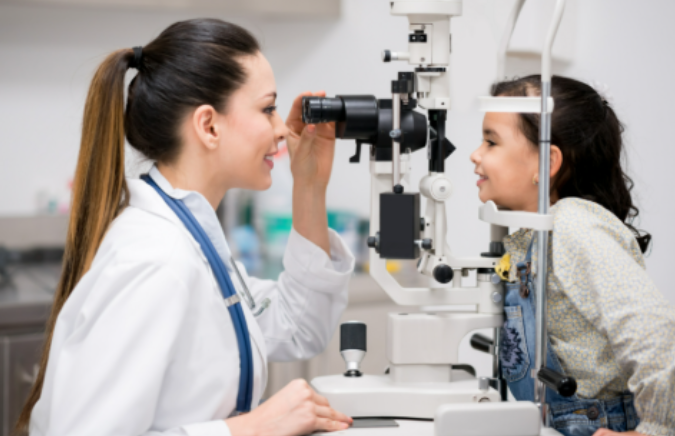
Kids’ Eye Exams: How Often Should You Schedule Them and Why It Matters
When it comes to your child’s health, eye care often takes a backseat. Yet, vision plays a crucial role in their overall development and school performance. Just like routine checkups at the pediatrician's office, regular kids’ eye exams are essential for spotting potential issues early on. Did you know that many children don’t even realize they have vision problems? This is why scheduling those vital child eye checkups can make all the difference in ensuring your little ones see clearly and thrive academically.
Let’s dive into why these exams are so important and how you can set up an effective vision testing schedule for your child!
Importance of Regular Eye Exams for Children
Regular eye exams are crucial for children’s overall health and development. Just like routine checkups at the pediatrician, these assessments play a vital role in ensuring your child's vision is on track.
Vision issues can often go unnoticed. Kids may not realize they see differently than their peers. Early detection through eye exams helps identify problems before they affect learning and growth.
Good vision supports academic success. Studies show that nearly 80% of what a child learns comes through their eyes. Undiagnosed conditions can hinder school performance and lead to frustration.
Additionally, some eye diseases develop silently during childhood. Routine eye exams allow for early disease detection, making treatment more effective and less invasive down the line.
Making time for regular checkups fosters healthy habits that will last a lifetime, helping your child thrive both academically and socially.
Common Vision Problems in Children and How Eye Exams Can Detect Them
Children can experience a variety of vision problems that may go unnoticed without regular eye exams. Common issues include nearsightedness, farsightedness, and astigmatism. These conditions affect how clearly children see objects at different distances.
Strabismus, or crossed eyes, is another concern. This condition can lead to amblyopia, often referred to as lazy eye. Early detection through routine eye exams plays a critical role in effective treatment.
Color blindness is also prevalent among kids but might not be identified until they start school. Eye exams help reveal these hidden challenges before they impact learning and daily activities.
Additionally, some children may suffer from more serious issues like cataracts or retinal disorders early on. Regular visits to a pediatric optometry specialist ensure any potential problems are caught promptly for better long-term outcomes.
When Should You Schedule Your Child's First Eye Exam?
Scheduling your child's first eye exam is crucial for their visual health. The American Optometric Association recommends that children have their initial eye checkup at six months of age.
This early assessment helps identify any potential issues before they impact development.
As kids grow, regular exams become even more important. By the age of three, a comprehensive vision screening can reveal problems like amblyopia or strabismus.
If your child enters school and hasn't had an eye exam yet, it's time to schedule one right away. Poor vision can significantly affect school performance and overall learning experiences.
Remember, early detection through routine eye exams at Dr. Shalini Jain's Samyak Eye Care Clinic ensures timely intervention if needed. Creating a positive experience now sets the stage for healthy habits in the future regarding pediatric optometry.
Enquire now at Dr. Shalini Jain's Samyak Eye Care Clinic to get a personalized eye exam plan for your child.
How Often Should You Schedule Follow-Up Eye Exams for Your Child?
Determining the frequency of follow-up eye exams for your child hinges on several factors. If your little one has no vision problems, routine eye exams every one to two years are generally sufficient.
However, if they have been diagnosed with a condition like nearsightedness or astigmatism, more frequent visits may be necessary. Your pediatric optometrist can recommend a customized vision testing schedule based on their specific needs.
For children wearing glasses or contact lenses, annual checkups help ensure prescriptions remain accurate and effective. Additionally, regular assessments allow early detection of any changes in vision that could impact school performance and overall development.
Keep an open line of communication with Dr. Shalini Jain's Samyak Eye Care Clinic to tailor the exam schedule according to your child's unique circumstances. Consistent monitoring is key to maintaining healthy eyesight as they grow.
Tips for Preparing Your Child for an Eye Exam
Preparing your child for an eye exam can make the experience smoother and less intimidating.
Start by explaining what to expect in simple terms. Use age-appropriate language to ease any anxiety they might have.
Consider introducing them to fun eye charts or vision games at home. This not only familiarizes them with some tests but also makes it enjoyable.
Make sure your child knows that the doctor is there to help, not hurt. Emphasizing that it's a routine checkup can alleviate fears.
On the day of the appointment, avoid caffeinated drinks or sugary snacks beforehand; these could affect their concentration during testing. Bring along a favorite toy or book for comfort while waiting.
Reassure your child that asking questions is encouraged—this helps build trust in their pediatric optometrist and fosters a positive attitude toward future visits.
FAQs
How often should my child get a routine eye exam?
For most children, it’s recommended to have their first eye checkup around six months of age. After that, regular visits should occur at ages three and five, then annually starting from age six.
What are signs my child might need vision testing?
Watch for squinting, difficulty reading text on the board in school, or frequent complaints about headaches. These can indicate potential vision issues needing attention.
Is vision testing painful for kids?
No, the process is gentle and non-invasive. Most children find it engaging rather than uncomfortable.
Can poor eyesight affect school performance?
Absolutely! Vision problems can hinder learning and focus in class. Early detection through pediatric optometry ensures your child has every opportunity to succeed academically.
What if I notice a problem but my child's last exam was recent?
Trust your instincts. If you notice any changes or concerns regarding your child's vision between scheduled exams, consult an eye care professional immediately.
Conclusion
Regular eye exams are essential for children. These checkups help detect any potential vision issues early, ensuring that kids can see clearly and perform their best in school. With the right care from professionals like Dr. Shalini Jain at Samyak Eye Care Clinic, parents can safeguard their child's visual health.
Understanding when to schedule a child’s first eye exam and how often to follow up is crucial. Keeping track of routine eye exams not only aids in early detection of diseases but also supports overall development as they grow.
Preparation is key to making the experience comfortable for your child. By instilling good habits around eye care and providing reassurance about what to expect during an exam, you set them up for success at each visit.
Don't overlook the importance of regular vision testing schedules—it plays a significant role in academic performance and daily activities. Prioritize your child's visual health; it lays down the foundation for their future achievements.
Contact Dr. Shalini Jain's Samyak Eye Care Clinic for expert pediatric eye care and timely guidance.


