
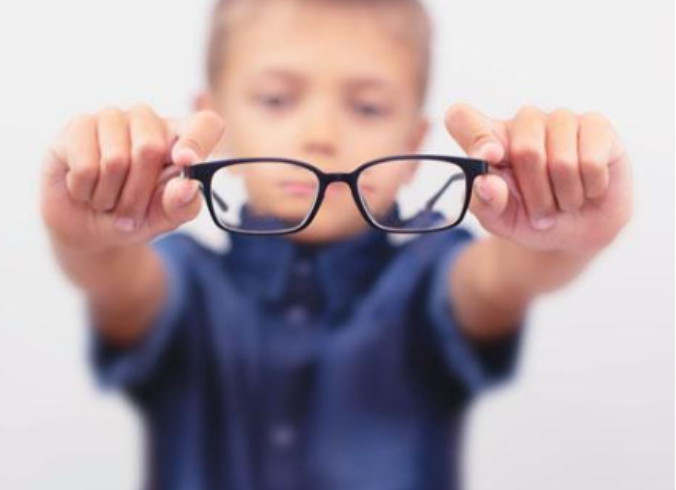
Eye Care in Ghaziabad: Why Early Detection Matters for Kids
As parents, we often prioritize our children's health and well-being. But when it comes to eye care, many of us might overlook its importance until a problem arises. Did you know that nearly 1 in 4 children faces some form of vision impairment? Eye care in Ghaziabad is essential for the healthy development of your little ones. Early detection can make all the difference in preventing long-term complications.
From navigating their first playground adventures to excelling in school, good vision plays a pivotal role in every aspect of a child’s life. Let’s dive into why prioritizing pediatric eye care is crucial and how early intervention can set your kids on the path to better eyesight and overall success!
Importance of Eye Care for Children
Eye care is fundamental during childhood, a time when vision develops rapidly. Healthy eyesight influences learning, social interactions, and physical activities. Children rely on their vision to explore the world around them.
Undiagnosed eye issues can lead to struggles in school or play. If a child cannot see clearly, they might miss crucial details in lessons or while interacting with peers. This can affect confidence and social skills.
Moreover, many eye conditions are asymptomatic at first. Regular check-ups help catch potential problems early. Conditions like myopia in children may progress quickly if not addressed promptly.
Investing time and effort into children's eye health creates a strong foundation for their future success. Prioritizing regular screenings ensures that any emerging issues are detected before they become significant obstacles in your child's life.
Common Eye Problems in Children
Children can face various eye problems that may affect their vision and overall development.
Refractive Errors: Conditions like myopia (nearsightedness) and hyperopia (farsightedness) are common in children and often require corrective lenses for clear vision.
Strabismus (Crossed Eyes): Misalignment of the eyes can lead to amblyopia (lazy eye) if left untreated. Early detection is key.
Conjunctivitis (Pink Eye): Frequent in children due to infections or allergies, causing redness and discomfort.
Allergies: Can trigger itchy, watery eyes in kids; teaching proper hygiene helps reduce reactions.
Regular Eye Check-ups: Visiting an eye clinic in Ghaziabad ensures early detection and treatment of eye issues before they worsen.
How to Detect Eye Problems in Kids
Detecting eye problems in kids can sometimes be tricky. Children often can't articulate what they see or how they feel about their vision. Watch for signs like squinting, excessive rubbing of the eyes, or difficulty focusing on objects.
It's also essential to observe their behavior during activities that require good eyesight. If a child avoids reading or struggles with sports, it may signal an underlying issue.
Regular eye exams are crucial as children grow. These exams can help identify conditions such as myopia early on. Vision screening for children should start by age three and continue through school years.
Parents and caregivers should educate themselves about common symptoms of eye issues, such as lazy eye or crossed eyes. Engaging your child in conversations about what they see can provide valuable insights into their visual health too.
Don’t wait for problems to appear. Consult Dr. Shalini Jain's Samyak Eye Care Clinic for expert guidance on early detection and pediatric eye care.
Benefits of Early Detection and Treatment
Early Detection Makes a Difference
Identifying issues like myopia or astigmatism at a young age allows for timely intervention, helping prevent further complications.
Early Treatment Leads to Better Outcomes
Children are more likely to adapt well and achieve optimal vision when vision problems are addressed promptly, enhancing learning and boosting confidence.
Monitor Vision as Kids Grow
Regular eye exams help parents track changes in eyesight, allowing early treatment that can reduce the need for more invasive procedures later.
Reduce Eye Strain and Promote Lifelong Eye Health
Appropriate care can lead to fewer headaches and less strain during reading or other activities, laying the foundation for healthy eyes throughout life.
Finding the Right Eye Care Professional in Ghaziabad
Choosing the right eye care professional for your child is crucial. In Ghaziabad, there are many qualified experts dedicated to children's vision needs.
Start by looking for a pediatric ophthalmologist. These specialists have additional training in treating young patients and their unique eye issues.
Read online reviews and ask other parents for recommendations. Personal experiences can provide valuable insights into the quality of care offered.
Consider visiting Dr. Shalini Jain's Samyak Eye Care Clinic as it’s known for its commitment to pediatric eye care in Ghaziabad. The friendly atmosphere can make visits less intimidating for kids.
Don't hesitate to schedule an initial consultation. This allows you to assess how comfortable your child feels with the doctor and their approach to treatment.
Finding someone who communicates well with both you and your little one will help ease any anxiety about future appointments or treatments.
Tips for Promoting Good Eye Health in Children
Promoting good eye health in children starts at home. Encourage outdoor play as natural light is beneficial for developing eyes. Limit screen time to reduce the risk of digital eye strain.
Incorporate a diet rich in fruits and vegetables. Foods high in vitamins A, C, and E support vision development. Fish with omega-3 fatty acids can also be a great addition.
Teach your kids about proper hygiene too. Remind them not to rub their eyes and to wash their hands frequently.
Regular eye exams are essential. Schedule routine check-ups with an experienced pediatric ophthalmologist in Ghaziabad like Dr. Shalini Jain's Samyak Eye Care Clinic to catch any issues early on.
Create a habit of wearing sunglasses outdoors to protect against harmful UV rays. These small steps can significantly enhance children's vision care over time without much effort.
FAQs About Eye Care
When should my child have their first eye exam?
Experts recommend a first vision screening at six months, followed by additional exams at age three and before starting school.
How much screen time is appropriate for young children?
For kids aged 2 to 5 years, the American Academy of Pediatrics suggests limiting recreational screen time to one hour per day, while encouraging outdoor play and physical activity.
What symptoms indicate my child should see an eye doctor?
Watch for signs such as squinting, frequent eye rubbing, or difficulty with reading. These could indicate vision issues worth discussing with a pediatric ophthalmologist in Ghaziabad.
Is myopia common in children, and what causes it?
Yes, myopia (nearsightedness) is becoming increasingly common. It can develop due to genetic factors or excessive close-up work. Regular check-ups help monitor and manage changes effectively.
Conclusion
Eye care is a vital aspect of children's health that often goes overlooked. Ensuring regular eye exams for kids can make all the difference in detecting issues like myopia early on. Ghaziabad offers various resources, including specialized pediatric ophthalmologists and dedicated eye clinics focused on children’s vision care.
Early detection leads to timely treatment, improving outcomes significantly. Parents should be proactive about scheduling routine vision screenings as part of their child’s healthcare regimen.
Taking simple steps such as limiting screen time and encouraging outdoor activities can promote good eye health among children. Finding the right eye doctor in Ghaziabad who understands your child's unique needs is equally important.
Trust Dr. Shalini Jain's Samyak Eye Care Clinic to monitor your child’s eye health and provide personalized solutions for clear, confident vision.


