
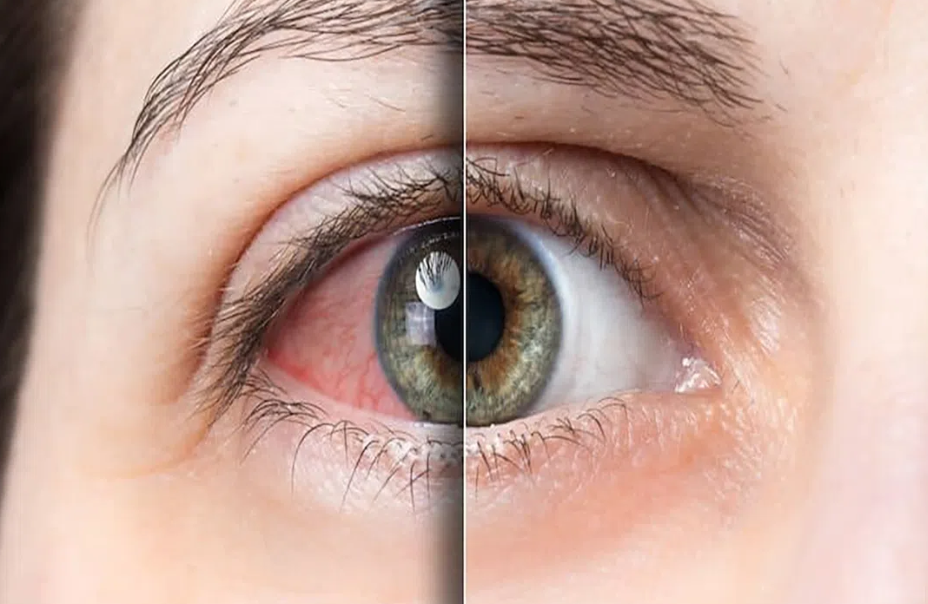
Dry Eye Syndrome: Causes, Symptoms, and Effective Management Strategies
If your eyes frequently feel gritty, tired, or irritated, you may be among the millions of people affected by dry eye syndrome. This increasingly common condition affects people of all ages and can significantly impact daily life—from difficulty working at computers to discomfort during everyday activities. In urban areas like Ghaziabad and Delhi NCR, environmental factors combined with modern lifestyle habits have made dry eye one of the most frequent complaints eye doctors encounter.
Understanding dry eye syndrome is the first step toward finding relief. At Samyak Eye Care Clinic in Vaishali, Ghaziabad, we offer comprehensive dry eye management services to help patients find lasting comfort and protect their ocular health.
What Is Dry Eye Syndrome?
Dry eye syndrome occurs when your eyes don't produce enough tears, or when the tears evaporate too quickly. Tears are essential for maintaining eye health—they lubricate the surface, wash away debris, protect against infection, and provide a smooth optical surface for clear vision.
The tear film consists of three layers: an outer oily (lipid) layer that prevents evaporation, a middle watery (aqueous) layer that provides moisture and nutrients, and an inner mucous layer that helps tears spread evenly. Problems with any of these layers can lead to dry eye symptoms. The condition is typically classified as either aqueous-deficient (insufficient tear production) or evaporative (tears evaporate too quickly, often due to meibomian gland dysfunction).
Common Causes of Dry Eye
Multiple factors contribute to dry eye development:
Age and Hormonal Changes
Tear production naturally decreases with age. People over 50 are more likely to experience dry eye symptoms. Hormonal changes, particularly during menopause, pregnancy, or while using oral contraceptives, can also affect tear production and quality. Women are generally more prone to dry eye than men.
Screen Use and Digital Eye Strain
When focusing on screens, people blink significantly less frequently—often reducing their blink rate by half or more. This reduced blinking allows tears to evaporate faster, leading to dryness and digital vision syndrome. With increasing screen time for work and leisure, this has become one of the leading causes of dry eye in younger adults and even children.
Environmental Factors
Air conditioning, heating systems, ceiling fans, and low-humidity environments all accelerate tear evaporation. In cities like Ghaziabad and Delhi NCR, air pollution also contributes significantly to eye irritation and dry eye symptoms. Winter months, with cold, dry air outdoors and heated interiors, can be particularly challenging.
Contact Lens Wear
Long-term contact lens use can reduce corneal sensitivity and affect tear film stability. Many contact lens wearers experience dryness, particularly toward the end of the day. For patients with severe dry eye, speciality lenses like scleral lenses may actually help by creating a fluid reservoir over the cornea.
Medical Conditions and Medications
Certain health conditions increase dry eye risk, including diabetes, rheumatoid arthritis, lupus, thyroid disorders, and Sjögren's syndrome. Many common medications—antihistamines, decongestants, blood pressure medications, and antidepressants—can reduce tear production as a side effect.
Suffering from persistent dry eye symptoms? Call 98999 60700 to schedule a comprehensive eye examination.
Recognising Dry Eye Symptoms
Dry eye syndrome can manifest in various ways. Common symptoms include:
• A stinging, burning, or scratchy sensation in the eyes
• A feeling of something gritty or sandy in the eyes
• Stringy mucus in or around the eyes
• Increased eye irritation from smoke, wind, or air conditioning
• Eye fatigue, especially after reading or screen work
• Difficulty wearing contact lenses
• Blurred vision that fluctuates, improving with blinking
• Paradoxically, watery eyes (a reflex response to dryness)
Many people dismiss early symptoms or self-treat with over-the-counter drops. However, without addressing the underlying cause, symptoms typically worsen over time and can lead to complications, including corneal damage.
Effective Dry Eye Management Strategies
Treatment depends on the severity and underlying cause of your dry eye. A comprehensive approach typically includes:
Artificial Tears and Lubricating Drops
For mild dry eye, over-the-counter artificial tears can provide temporary relief. Preservative-free formulations are recommended for frequent use. However, not all drops are equally effective, and the right choice depends on your specific tear deficiency type. Your eye care professional can recommend the most appropriate option.
Lifestyle Modifications
Simple changes can significantly reduce symptoms: taking regular breaks from screen work (following the 20-20-20 rule), using a humidifier in air-conditioned spaces, staying well-hydrated, positioning screens below eye level, and wearing wraparound sunglasses outdoors to protect against wind and dust.
Lid Hygiene and Warm Compresses
For evaporative dry eye caused by meibomian gland dysfunction, regular warm compresses help liquefy blocked oils in the eyelid glands. Gentle eyelid massage and proper lid hygiene can improve oil flow and tear film stability. Your doctor may recommend specific techniques and products.
Prescription Treatments
For moderate to severe dry eye, prescription medications may be necessary. Anti-inflammatory drops reduce the inflammation that often accompanies chronic dry eye. Other prescription options include drops that stimulate tear production or special inserts that slowly release lubricating substances throughout the day.
Want personalised dry eye treatment? Book a consultation with Dr. Shalini Jain for a comprehensive evaluation.
Expert Dry Eye Care in Ghaziabad
At Samyak Eye Care Clinic, Dr. Shalini Jain has over 25 years of experience diagnosing and treating dry eye syndrome. Our comprehensive dry eye management approach identifies the underlying causes and develops personalised treatment plans for lasting relief.
With 4+ government awards and the trust of 37,500+ satisfied patients across Vaishali, Ghaziabad, Indirapuram, Kaushambi, Surya Nagar, and Delhi NCR, we're committed to helping you achieve comfortable, healthy eyes.
Don't let dry eye syndrome diminish your quality of life. Get expert help today.
Call: 98999 60700
Website: www.samyakeyecare.com
________________________________________
Disclaimer: This article is for informational purposes only and does not constitute medical advice. Dry eye treatment varies based on individual causes and severity. Please consult Dr. Shalini Jain at Samyak Eye Care Clinic for a comprehensive evaluation and personalised treatment recommendations.


