
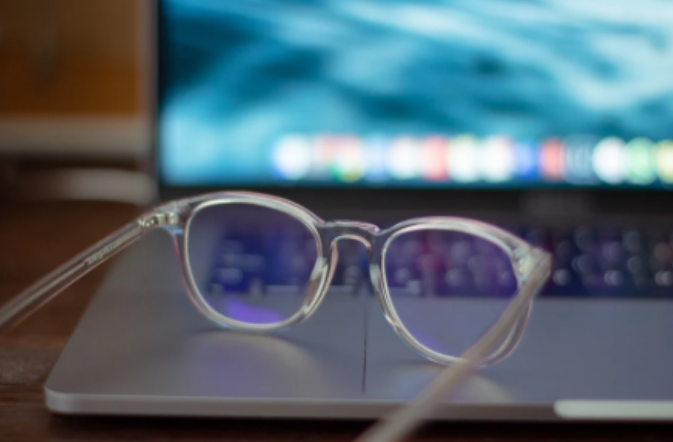
Blue Light and Screen Time: Do You Really Need Blue Light Glasses?
In today's digital age, screens are an integral part of our daily lives. Whether you're scrolling through social media, working on a presentation, or binge-watching your favorite series, the time spent in front of screens adds up quickly. With this increased screen time comes the concern about blue light exposure and its potential effects on our health.
But what exactly is blue light? And should you really invest in a pair of blue light glasses to protect your eyes? At Dr. Shalini Jain's Samyak Eye Care Clinic, we dive into these questions to help you navigate the complex world of screen-related eye care and make informed choices for your visual well-being.
Effects of Blue Light on Our Eyes and Health
Blue light is a high-energy visible light emitted from screens. It penetrates deep into the eye, potentially leading to discomfort and digital eye strain. Symptoms may include dry eyes, blurred vision, and headaches.
Extended exposure can disrupt our natural sleep cycle too. Blue light influences melatonin production, making it harder to wind down at night. This disruption might affect overall health in the long term.
Research suggests a link between prolonged blue light exposure and retinal damage. Although more studies are needed, some findings raise concerns about its impact on vision over time.
People spending hours on devices daily should be mindful of these effects. Taking breaks and practicing good screen habits can help mitigate potential harm without solely relying on protective eyewear.
What Are Blue Light Glasses?
Blue light glasses are specially designed eyewear that filter out a portion of blue light emitted by screens. This type of light is prevalent in our digital world, coming from devices like smartphones, tablets, and computers.
These glasses often have a yellowish tint or a special coating to reduce glare. The aim is to lessen eye strain and improve visual comfort during prolonged screen use.
Some designs also focus on protecting the eyes from potential long-term damage associated with excessive exposure.
While they don't eliminate blue light entirely, they can make your viewing experience more pleasant. Many people appreciate them for their stylish frames as well as their functional benefits.
With growing awareness about eye health in today’s tech-centric lifestyle, these glasses have gained immense popularity among various age groups.
Do They Really Work?
The effectiveness of blue light glasses is a hot topic among eye care professionals and tech users alike. Many people wonder if these glasses can truly mitigate the adverse effects of prolonged screen exposure.
Research indicates that while they may reduce glare, their impact on overall eye strain varies from person to person. Some users report less fatigue after wearing them, while others see little difference.
It's essential to recognize that blue light isn't the only culprit behind digital eye strain. Factors like screen brightness and distance also play significant roles in how our eyes react during long hours of device use.
It might be worth experimenting with blue light glasses if you spend extensive time in front of screens. However, understanding your unique situation is crucial for making informed choices about your eye health.
Who Should Use Blue Light Glasses?
Blue light glasses can be beneficial for various groups of individuals. If you spend long hours in front of screens, these glasses may help alleviate eye strain and improve comfort. This includes those working from home or in office environments.
Students are another group that might benefit. With online classes and extensive research sessions on laptops, protecting their eyes becomes crucial for maintaining focus and reducing fatigue.
Gamers also find blue light glasses advantageous. Long gaming sessions can lead to discomfort, so wearing these glasses can enhance the experience by minimizing glare and enhancing visual clarity.
Anyone who experiences headaches related to screen use might consider trying them as a preventive measure. Blue light filtering lenses could provide relief by reducing exposure to harsh lighting conditions often associated with digital devices.
Visit Dr. Shalini Jain's Samyak Eye Care Clinic to get personalized solutions from Dr. Shalini Jain for healthier, strain-free vision.
Tips for Reducing Screen Time without Blue Light Glasses
Reducing screen time can be simpler than it seems.
Start by setting clear boundaries for your daily digital hours. Designate specific times to check emails or social media.
Incorporate breaks into your routine. The 20-20-20 rule works wonders: every 20 minutes, look at something 20 feet away for at least 20 seconds. This helps alleviate eye strain and refreshes your focus.
Engage in outdoor activities. Whether it's a walk in the park or gardening, fresh air does wonders for both body and mind.
Establish tech-free zones at home, such as bedrooms or dining areas. This encourages quality family time without screens competing for attention.
Explore hobbies that don’t involve screens—reading physical books or painting can provide an enriching experience while reducing reliance on devices.
FAQs
Are blue light glasses necessary for everyone?
Not necessarily. While they can benefit those who spend prolonged hours in front of screens, many people may not experience significant discomfort from blue light exposure.
How do I know if I need them?
If you frequently experience eye strain, headaches, or trouble sleeping after screen time, it might be worth trying out a pair.
Can I reduce blue light without glasses?
Absolutely! There are software options available that adjust your screen's color temperature. Many devices also have built-in settings to filter out blue light during evening hours.
What about children and screens?
Kids are often more sensitive to digital eye strain. Limiting their screen time and encouraging regular breaks can help maintain their eye health even without specialized eyewear.
Do all brands provide the same protection?
Not quite. It's essential to choose reputable brands that offer verified lens quality for optimal results.
Conclusion
As screen time continues to increase, the debate over blue light glasses rages on. Many people are concerned about the effects of prolonged exposure to screens, especially regarding eye strain and sleep disruption. Blue light does have an impact on our vision and overall health; however, it’s important to approach the subject with a balanced perspective.
Blue light glasses can offer some benefits for certain individuals, particularly those who experience discomfort from extended screen use. However, they are not a one-size-fits-all solution. For many people, practical steps like reducing screen time or taking regular breaks may be just as effective.
If you're considering whether blue light glasses are right for you, consult with professionals at Dr. Shalini Jain's Samyak Eye Care Clinic for personalized advice tailored to your specific needs. Being proactive about eye care is key in our digital age where screens dominate our daily lives.
Book a consultation at Dr. Shalini Jain's Samyak Eye Care Clinic to find out if blue light glasses are right for you.


