
A Parent’s Guide to Eye Checkups: When and Why Your Child Needs One
As a parent, you want the best for your child. You invest time and resources into their education, health, and well-being. But have you ever stopped to consider their eye health? Children’s vision is crucial for learning and playing, yet many parents overlook regular eye checkups. Just like routine dental visits or vaccinations, eye care for kids is essential in ensuring that your little ones develop healthy habits and identify potential issues early on.
So how do you know when it’s time for an eye exam? In this article, we’ll explore everything you need to know about children's vision care—from recognizing signs that indicate a need for an appointment to understanding what happens during those exams at an eye clinic in Ghaziabad.
Let’s dive into the world of early eye detection so your child can see the world clearly!
Importance of Eye Health for Children
Healthy vision is fundamental to a child's overall development. It influences how they learn, play, and interact with the world around them. Good eyesight allows children to explore their environment without limitations.
Early eye care for kids can prevent long-term issues that may hinder their academic performance or social interactions. The visual skills developed during childhood lay the groundwork for future learning experiences.
Children often don't realize when something isn't quite right with their sight. Regular eye exams help detect problems before they become serious hurdles in daily life.
Moreover, having healthy eyes contributes to confidence and self-esteem. Children who can see clearly are more likely to engage actively in sports and activities, fostering both physical health and friendships.
Investing time into children's vision care leads to brighter futures filled with possibilities—ensuring your child has every opportunity to thrive.
Signs That Your Child May Need an Eye Checkup
As a parent, being aware of your child's behavior can provide valuable clues about their eye health. If you notice them squinting frequently while watching TV or reading, it could be a sign that they are struggling to see clearly.
Watch for any complaints of headaches or fatigue after doing close-up activities like homework. These symptoms might suggest that their eyes are working harder than they should.
Another indicator is if your child loses track of objects in motion or has difficulty focusing on things at varying distances. This may point toward an underlying vision issue that needs attention.
Additionally, pay attention to unusual habits such as covering one eye to see better or tilting their head when looking at something. Such actions can signal the need for an evaluation by a pediatric ophthalmologist. Early detection is key in addressing potential problems effectively.
How Often Should Your Child Have an Eye Exam?
The frequency of eye exams for kids can vary based on age and individual risk factors. For infants, a first eye check should happen at around six months. This early detection is vital for identifying potential issues.
As your child grows, routine visits become essential. The American Academy of Ophthalmology recommends that children have their vision screened at least once between the ages of 3 and 5 years. Early intervention ensures any problems are addressed promptly.
Once your child enters school, annual eye exams are advisable. Kids spend a lot of time reading and using screens, making regular assessments crucial to monitor their visual health.
If there’s a family history of vision problems or if the child exhibits signs of difficulty seeing, more frequent visits may be required. Keeping track will help ensure they receive the best children's vision care possible.
What to Expect During an Eye Exam for Children
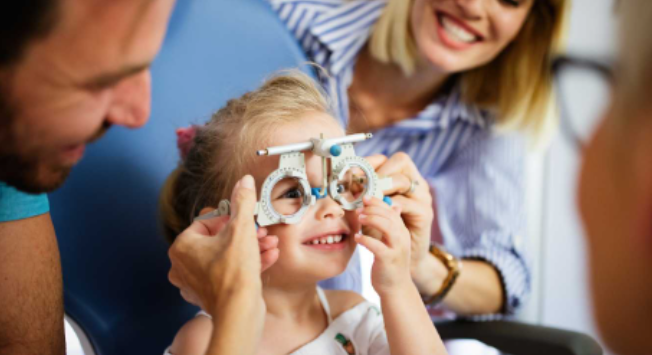
Visiting an eye clinic can be a new experience for children. It’s essential to create a comfortable atmosphere. Most pediatric ophthalmologists are skilled in making kids feel at ease.
During the exam, your child will go through various tests. The optometrist may use special charts with letters and pictures to assess vision clarity. Bright lights might be used to check how well the eyes respond.
Eye drops could be administered to dilate pupils, allowing for a more thorough examination of the retina and optic nerve. These drops may cause temporary blurriness but are crucial for accurate diagnosis.
Parents should stay close by during the process, offering reassurance when needed. This support helps reduce anxiety and makes it easier for children to follow instructions from the eye doctor.
Each step ensures that their vision is evaluated comprehensively while keeping their comfort in mind.
Don’t wait for problems to arise. Consult Dr. Shalini Jain's Samyak Eye Care Clinic for expert guidance on your child’s eye health.
Common Vision Problems in Children and Their Treatment Options
Vision problems in children can vary widely, impacting their daily activities and learning.
One common issue is myopia, or nearsightedness. Kids with myopia struggle to see distant objects clearly. Glasses or contact lenses are typical solutions that can help restore clear vision.
Another frequent concern is hyperopia, which makes near objects appear blurry while distance vision remains clear. Treatment often involves corrective eyewear as well.
Astigmatism occurs when the cornea isn't perfectly curved, causing distorted vision at all distances. This condition can also be corrected with glasses or contacts.
Strabismus, characterized by misaligned eyes, may require more specialized treatment options like eye patches or surgery for severe cases.
Early detection through regular eye exams for kids ensures that these issues are addressed promptly. Pediatric ophthalmologists play a crucial role in diagnosing and managing these conditions effectively.
Tips for Preparing Your Child for an Eye Exam
Preparing your child for an eye exam can make the experience smoother and less intimidating.
Start by explaining what will happen during the visit in simple terms. Use relatable language, so they understand it's just a routine check-up.
Consider using positive reinforcement. Let them know that many kids go through this and it’s nothing to worry about. You might even share stories of their friends or siblings who had successful visits.
Involve them in the process by letting them pick out their outfit for the day or bringing along a favorite toy for comfort. This small act can help alleviate any anxiety.
Ensure they're well-rested before the appointment. A good night’s sleep can go a long way in keeping nerves at bay and making sure they are alert during tests like vision screening for children.
FAQs
How often should my child have an eye exam?
It’s recommended that children have their first eye exam by age 1. After that, routine checkups should be conducted every one to two years, depending on any existing vision issues.
What are signs of vision problems in kids?
Look for squinting, covering one eye when reading or watching TV, frequent headaches, and complaints about blurry images. These can all indicate a need for an evaluation.
Can my child's vision improve with glasses?
Yes! Glasses can correct refractive errors like myopia in children. Early intervention is key to ensuring your child has the best chance for healthy eyesight as they grow.
Are pediatric ophthalmologists different from regular optometrists?
Absolutely. Pediatric ophthalmologists specialize in children's eye care and handle more complex conditions related to childhood vision challenges. They’re equipped to address unique needs during the developmental years.
Conclusion
Eye health is a crucial aspect of your child's overall well-being. Keeping an eye on their vision should be as routine as any other health checkup. Regular eye exams for kids can detect issues early, leading to timely interventions and better outcomes.
Signs that indicate the need for an eye checkup shouldn't be overlooked. If you notice your child squinting, rubbing their eyes frequently, or struggling to see objects clearly, it's time to consult with a pediatric ophthalmologist.
Knowing how often to schedule these exams is important too. The American Academy of Ophthalmology recommends that children have their first comprehensive eye exam at six months old, followed by additional screenings around age three and then every year thereafter if no problems are detected.
During these appointments at an eye clinic in Ghaziabad like Dr. Shalini Jain's Samyak Eye Care Clinic, parents can expect various tests designed specifically for children's unique needs. These assessments help identify common vision problems such as myopia in children and provide options for corrective measures when necessary.
Trust Dr. Shalini Jain's Samyak Eye Care Clinic to provide thorough eye exams and personalized advice for your child’s visual development.


